Services

Acupuncture
Acupuncture is used to diagnose and treat illness, prevent disease and improve well-being. It is effective for physical, psychological and emotional problems. Most people improve after the first or second treatment and many comment that they feel relaxed and peaceful.
Read More
Homeopathy
Homeopathy has many advantages over conventional medicine. Is good for a wide variety of conditions in people of all ages. There are no side effects or adverse reactions associated with homeopathy, and it also stimulates and strengthens the body’s healing energy; it is especially effective for people who are sensitive.
Read More
Nutrition
Overly restrictive diets ultimately fail, encouraging short term success without addressing underlying eating habits. The goal is to establish balanced, sustainable eating patterns, which means avoiding processed foods and adopting organic alternatives wherever possible.
Read More
Functional Medicine
Utilizing the whole person concept, functional medicine seeks to solve your problems before they arise. This perspective on medicine places an increased emphasis on lifestyle, personal history, and environmental factors that may lead to long-term chronic health issues.
Read MoreAbout
We are a group of holistic practitioners in a peaceful and plant-filled office near Porter Square in Cambridge, MA. The different healing modalities complement and support each other well. Many of our clients see just one practitioner, while others enjoy the added benefit of more than one healing technique. We each have our own phone number and office procedures. Please click on the name of each practitioner for more information about that person, and click on the name of the healing technique for more information about it. Please call the practitioner of your choice to set up an appointment or to ask further questions
Acupuncture
What Is Acupuncture?
Acupuncture is a complete medical system that is used to diagnose and treat illness, prevent disease and improve well-being. It is effective for physical, psychological and emotional problems. Acupuncture originated in China more than 3000 years ago and, due to its proven effectiveness, has been embraced world-wide.
How Does It Work?
It is apparent that acupuncture stimulates the activity of the autonomic nervous system, which regulates the function of the internal organs. The internal organs control body functions like digestion, respiration, circulation, genito-urinary, musculoskeletal, neurological and metabolic functions. These organs also command various parts of the body: the eyes, ears, nose and throat; knees, back, chest, abdomen, and extremities. The internal organs are responsible for controlling emotional states such as depression, anger, fear, worry, grief, sadness, anxiety and obsessions. By restoring the normal function of the internal organs, acupuncture can control body functions, various parts of the body, and emotional states.
On the chart below you can retrace your symptoms back to an imbalance in the respective organs. This may be the underlying cause of many, if not all of your symptoms.
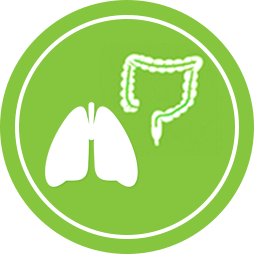
Lungs / Large intestine
Body functions
- Respiration
emotional state
- grief and worry sadness
Symptoms
- skin diseases
- frequent colds
- dyspnea
- spontaneous sweats
- chronic cough
- irritable bowel syndrome
- chronic constipation
- leaky gut syndrome
- sinus infections
- head colds
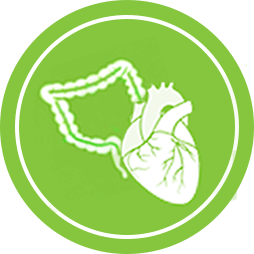
Heart / Small Intestine
Body functions
- arteries circulation cardiovascular
emotional state
- sadness
- incessant
- laughter
Symptoms
- palpitations
- nervousness
- spirit is low
- tongue disorders
- mind feels muddled
- malabsorption
- bloating
- food allergies
- minor peptic ulcers
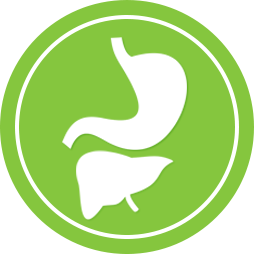
Spleen / Stomach
Body functions
- digestion lymph organ manufactures blood cells
- disposes of old red blood cells low self-esteem
emotional state
- obsessions
- excessive
- sympathy
Symptoms
- digestive problems
- loss of appetite
- diarrhea
- weakness in extremities
- edema
- anemia
- poor immune function
- asthma
- bloating
- weak bioenergy of breast
- heartburn
- bleeds and bruises easily
What Are Some Commonly Treated Conditions?
The World Health Organization of the United Nations recently advocated acupuncture as a safe, cost-effective means of health maintenance, as well as of treating over one hundred medical conditions, including:
- Allergies/asthma
- Anxiety/depression
- Arthritis
- Back pain
- Bladder/kidney problems
- Carpal tunnel syndrome
- Childhood illnesses
- Constipation, diarrhea
- Colds/flus
- Cough/bronchitis
- Dizziness
- Drug addictions, smoking
- Fatigue
- Gynecological disorders
- Headache/migraine
- Heart problems
- High blood pressure
- Immune system deficiencies
- Infertility
- Knee pain
- Neck pain/stiffness
- Premenstrual syndrome
- Paralysis/numbness
- Sciatica
- Sexual dysfunction
- Shoulder pain
- Skin problems
- Sleep disturbances
- Stress/tension
- Tendonitis
- Visual problems
What Are the Types of Treatments?
What Are the Benefits?
How Does Acupuncture Feel?
Is Acupuncture For You?
Do Most People Respond?
Homeopathy
What Is Homeopathy?
As an energy-based healing system, homeopathy has many advantages over conventional medicine. There are no side effects or adverse reactions; it stimulates and strengthens the body’s healing energy, instead of weakening it and lowering the immune system; it is especially well-suited for people who are extremely sensitive (to medications, environmental toxins, etc.); it can address mental and emotional as well as physical symptoms; the remedies are inexpensive and do not need to be taken indefinitely.
What Is It Good For?
And it works for a wide variety of conditions, whether acute (such as colds, flu, bee stings, cuts, bruises) or chronic (arthritis, allergies, hypothyroidism). The problem may be physical or mental (such as learning disabilities in the young or loss of memory in the elderly), emotional (depression, anxiety, low self-esteem), behavioral (addictive behaviors, ODD) or energetic (hyperactivity, fatigue).
It works especially well when there is a strong mind-body component (such as in stress-related conditions like ulcerative colitis or Crohn’s disease, or in women’s issues like menopause). It also works well for any condition when there is a clear “Never Well Since”, in other words when the patient can say “I’ve never really felt the same since my mother died [or my husband left me, my business partner betrayed me, etc].”However, it can work well in many conditions when these factors are not a part of the picture. And many times the homeopathic process helps people discover such connections between their emotions, their life-traumas, and their symptoms.
How Do We Know It Works?
In addition, their activity has been demonstrated by scientific studies. We still see statements in the popular press, even in medical journals, that homeopathy is unscientific and unproven. There has been extensive testing of homeopathy; unfortunately, nearly all of the studies have been conducted abroad, due to lack of funding for research in alternative medicine. The most promising type of research is called outcomes research, which indicates that for many health conditions, homeopathy provides better results, at lower cost, with fewer side effects and greater patient satisfaction. Unfortunately, most doctors in the US remain unaware of homeopathy’s scientific status because, until recently, complementary medicine was not taught in American medical schools.
Nutrition


Our Philosophy and Approach
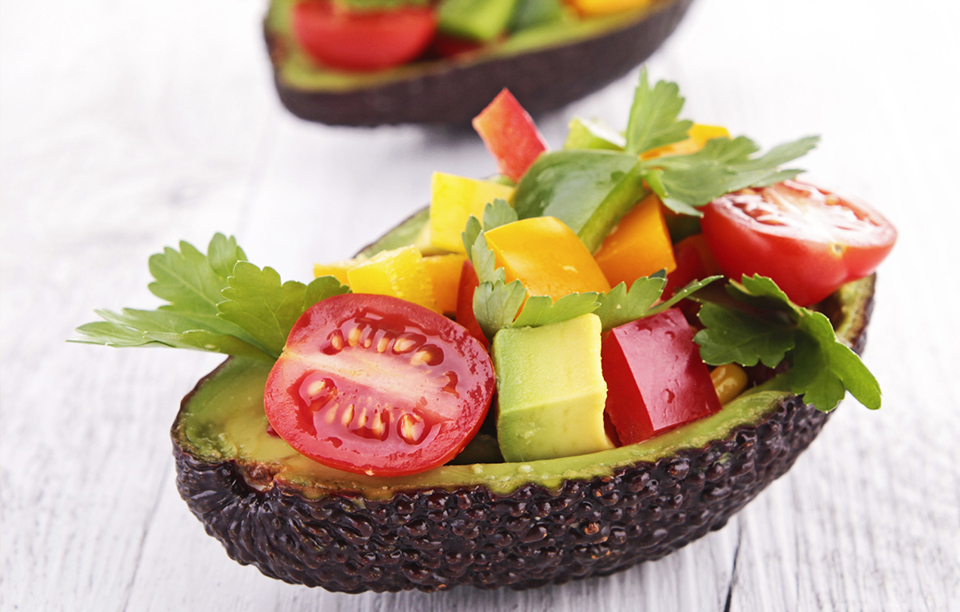
We encourage all of our patients to choose an organic, whole foods diet that has minimal sugar, white flour products, synthetic additives, or other ingredients that may be difficult to pronounce. This is an important first step, a major dietary change that universally effects everybody in a positive way.
We each possess unique constitutions and preferences, which makes developing a “one-size-fits-all” nutritional plan impossible. Therefore, our next step is to individually develop and mold nutritional guidelines for each patient. We weigh several factors during this process. For example, some people respond better to a raw food-based diet, because they are yin-deficient (dry and over-heated), while those who are yang-deficient (cold and depleted) require predominantly cooked food.
By examining and restructuring your nutritional habits, we strive to create a sustainable, healthy eating plan that you can incorporate long-term. This approach is very different from traditional, short-term diets, which rarely produce lasting results. If your diet feels unnatural, forced, or excessively uncomfortable, then there’s probably little chance of it being a viable long-term solution. Instead, our goal is to help you incrementally adjust your daily habits until you’ve fully adopted a new system of nutrition.
Our eating habits are closely related to how well we manage stress, express our emotions, and maintain awareness of our core beliefs. We frequently turn to food for gratification and comfort, which often indicates a deeper imbalance in the mind. Our ultimate goal is to address these root causes, so that you can make positive, lasting changes.
Functional Medicine
Our Philosophy and Approach
Our Goal
Contact US
We are located in Porter Square just off Mass. Ave., about two blocks closer to Harvard Square from Porter. You can find us in the back of the same building as Susanna’s dress shop at 1776 Mass. Ave.
Contact Info
Phone: (617) 547-4133
Web: http://www.eastwesthealth.info